
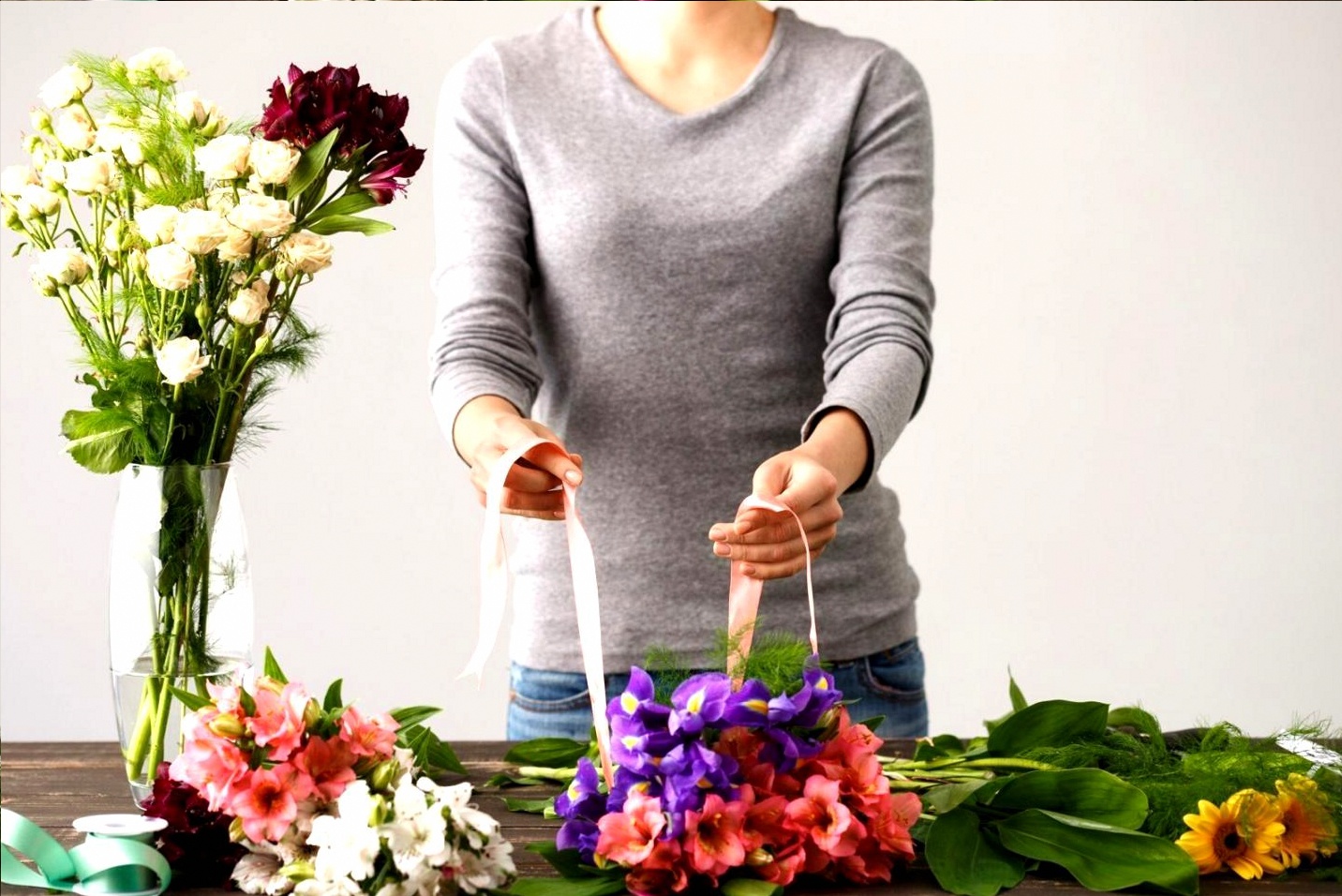
The bouquet had dahlias, spray roses, lisianthus, eucalyptus, wax flower, protea, sweet peas, astilbe, veronica, dried pampas, and ribbon grass. The bride asked me politely if we could simplify it. That was a diplomatic way of saying it looked chaotic.
What the data from that design revealed
Studies in visual perception suggest that the human eye comfortably tracks 3 to 5 distinct focal elements before attention fragments. An 11-variety bouquet gave the eye nowhere to land. Every flower competed equally for attention, which meant none of them won.
Tips for editing a bouquet design analytically
- Limit primary blooms to 1 or 2 varieties that carry the visual weight
- Choose 2 secondary flowers that support shape, not add new colour
- Use 1 foliage type for texture contrast, not 3 competing greenery options
- Remove any element that does not serve the silhouette, colour story, or texture contrast
- Photograph a test arrangement and view it at thumbnail size to identify visual noise
Introverts who prefer quiet, methodical decision-making tend to do well with this kind of editing process. It rewards patience over impulse. Sitting with a design for 20 minutes before adding another element is a genuine design skill, not indecision.
Restraint is not a compromise. The bouquet I rebuilt with 3 varieties and 1 foliage type photographed far more cleanly and the bride cried when she held it.