
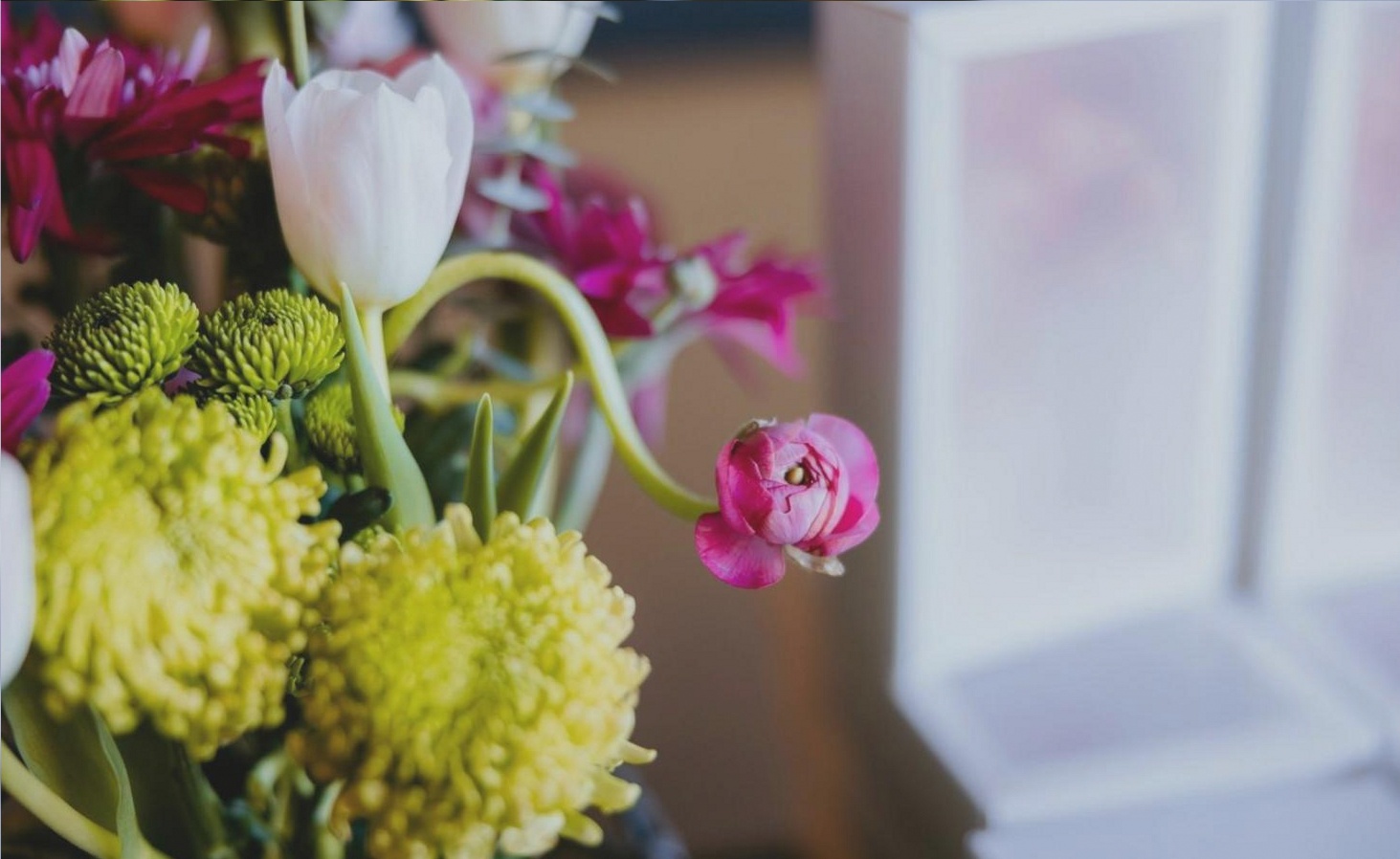
Ranunculus in late November seemed like a reasonable choice until every supplier quoted me 3 times the usual price and a 3-week lead time. I had already shown the bride mood boards. Walking that back was uncomfortable and entirely avoidable.
The core error was skipping the seasonal audit
Before selecting any flower for a bouquet design, cross-reference it against a local seasonal availability chart for your specific region. In Australia, ranunculus peaks between August and October. November availability is thin and expensive.
Quick tips for avoiding seasonal mismatches
- Download a regional bloom calendar from your state flower growers association before the first client meeting
- Identify 2 backup flowers for every primary choice that share a similar shape or colour profile
- Confirm availability with at least 2 separate suppliers before presenting any design concept
- Flag any flower with less than 8 weeks of reliable local season as a high-risk choice
For introverts who prefer to research independently before committing to anything, this kind of pre-work is actually a natural strength. Spending 90 minutes on a seasonal audit alone at a desk is far less stressful than explaining a substitution to a nervous bride 4 weeks before her wedding.
The lesson was not about flowers. It was about the gap between what looks beautiful on a mood board and what actually exists in a wholesaler's cool room in late spring.